.svg)



Why Trade Jobs Offer the Best Return on Your Time
The math is simple: a four-year degree costs $20,000 to $100,000+ and takes four years. Many of the best trade jobs can be learned in four to twelve months through focused training, apprenticeships, or skill paths. You start earning sooner, avoid student debt, and get hired faster because you've got the exact skills an employer needs.
According to the U.S. Bureau of Labor Statistics, electricians earn between $50,000 and $80,000 annually after completing an apprenticeship. HVAC technicians average $50,000 to $70,000. Welders range from $45,000 to $75,000 depending on specialization and experience. These aren't entry-level numbers either. With experience and certifications, you can push into six-figure territory by opening your own business or specializing in high-demand areas like renewable energy or industrial maintenance.
What makes trade jobs different isn't just the money, it's the path. You aren't waiting until graduation to start earning. Most apprenticeships pay you while you learn, meaning you're building experience and getting paychecks at the same time. That combination is nearly impossible in traditional education. Plus, trades stay in demand because the work is physical, location-based, and growing. You can't outsource an electrician or a plumber. When the economy shifts, technicians are often among the first to recover.
The skilled trades also offer career pathways that don't require years of prerequisites. You pick a trade, build the skills, get certified, and start working. No GPA requirements, no prerequisite courses, no gatekeeping. That accessibility is why the best trade jobs keep drawing people who want control over their own timeline. You're not competing on test scores or resume keywords. You're competing on what you can actually do.

The Highest-Paying Trades Right Now (2026)
Here are the highest paying trade jobs right now and why employers are desperate for skilled people.
| Trade | Entry-Level Range | Experienced Range | Key Advantage |
|---|---|---|---|
| Electrician | $40,000-$50,000 | $60,000-$100,000+ | Code-mandated licensing; renewable energy boom |
| HVAC Technician | $35,000-$45,000 | $50,000-$75,000+ | Heat pump and EV charging specializations; always needed |
| Welder | $30,000-$40,000 | $45,000-$80,000+ | Aerospace and pipeline premiums; portable skills |
| Plumber | $35,000-$50,000 | $50,000-$100,000+ | Own-business potential; recession-resistant |
| Diesel Mechanic | $35,000-$45,000 | $45,000-$75,000 | Freight and logistics expansion; heavy equipment demand |
| Elevator Technician | $50,000-$65,000 | $80,000-$100,000+ | Union scales; long apprenticeships; rare supply |
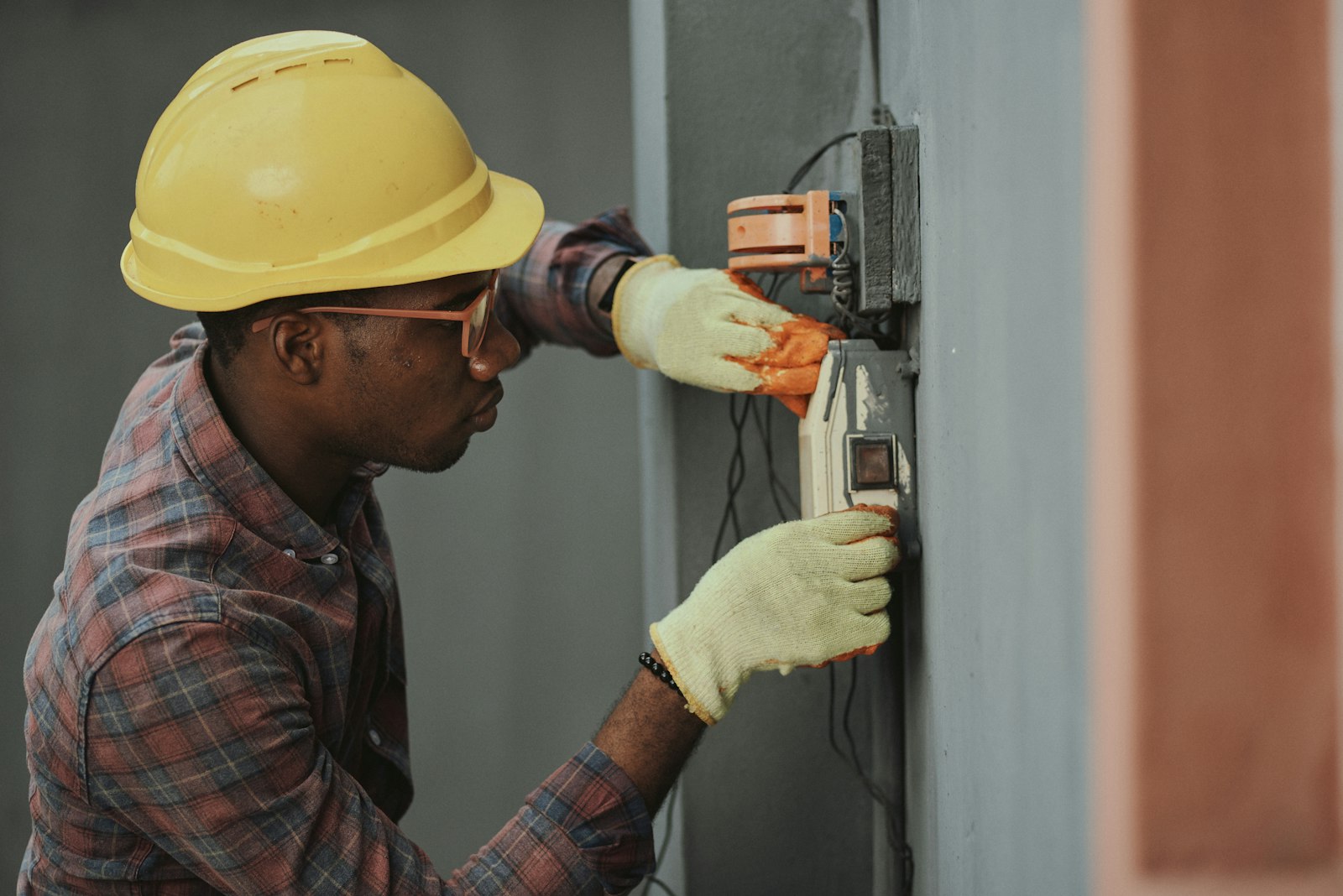
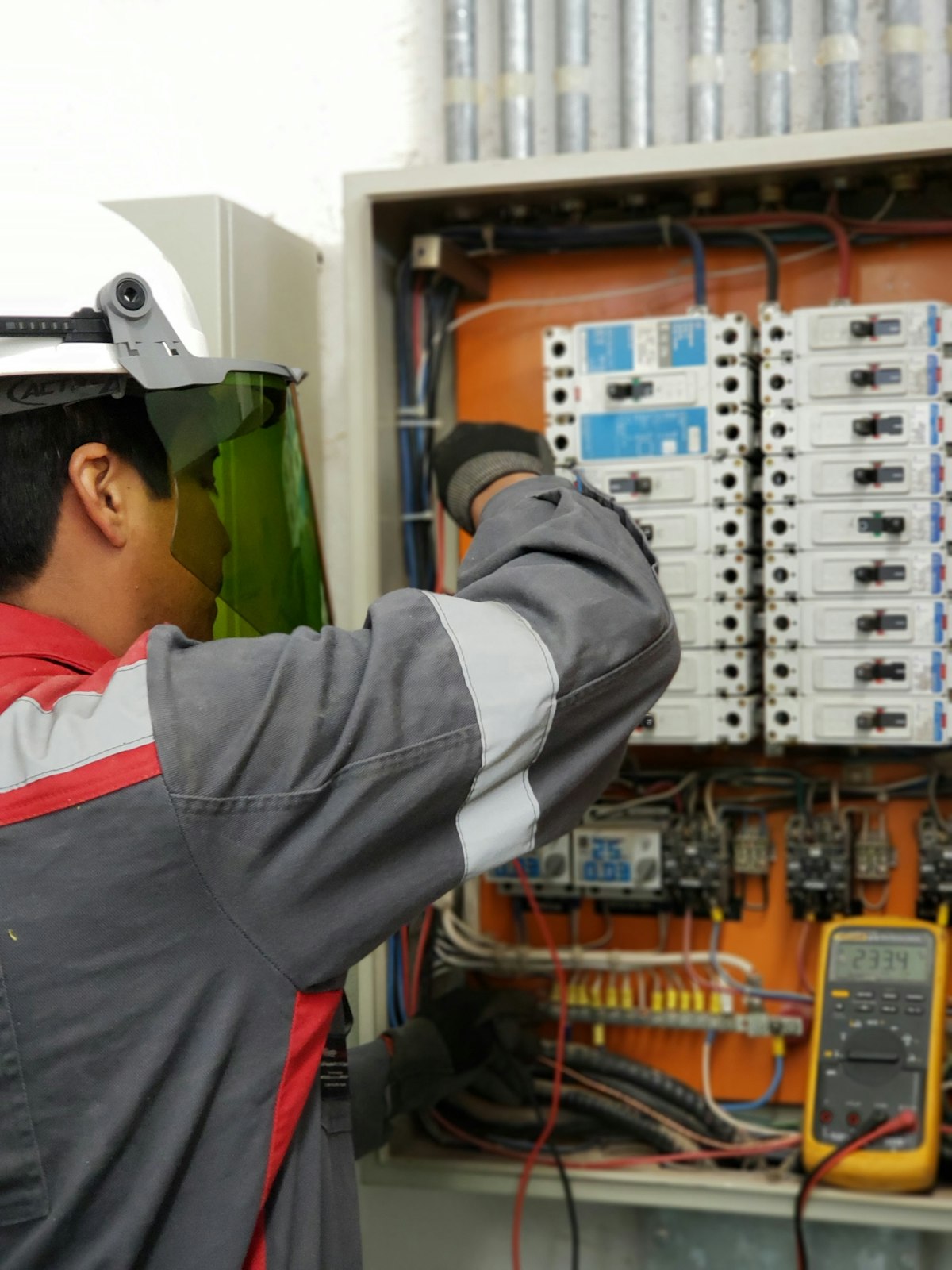
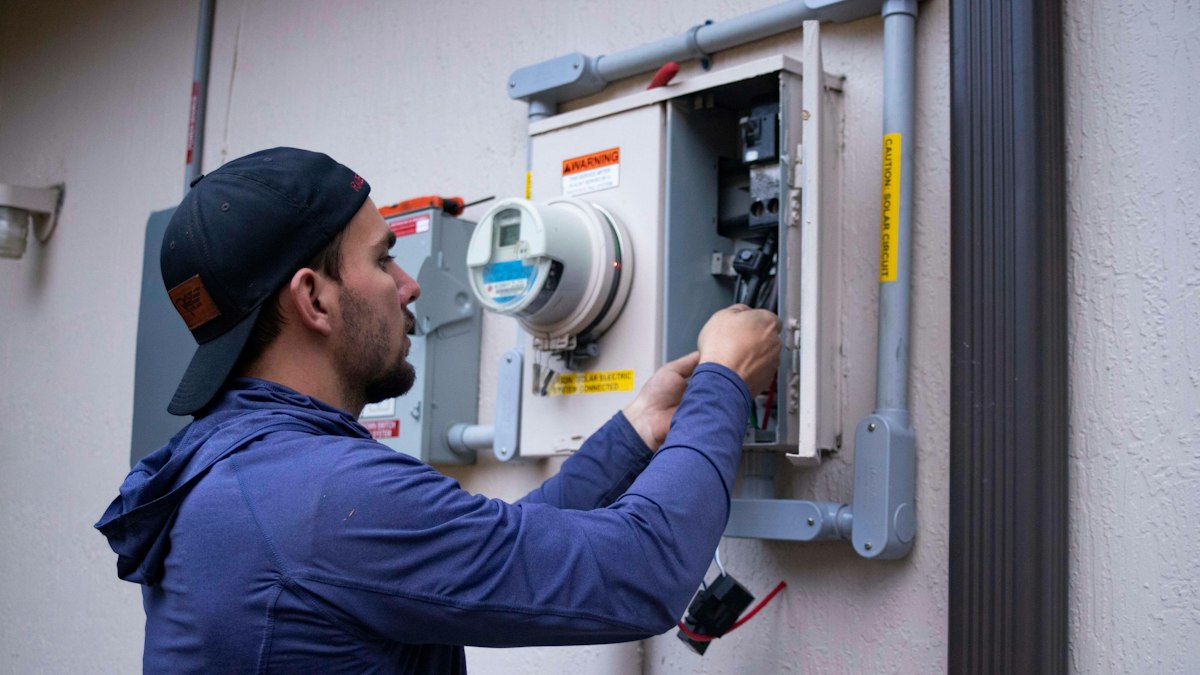
Electricians consistently rank at the top. Licensed electricians earn between $60,000 and $90,000 annually, with the top earners pushing past $100,000. The demand is huge because buildings need electricity, and code requirements mean you need licensed professionals. Industrial electricians earn even more, especially those who specialize in plant maintenance or solar installation. As the country shifts toward renewable energy, electricians with those credentials command premium rates.
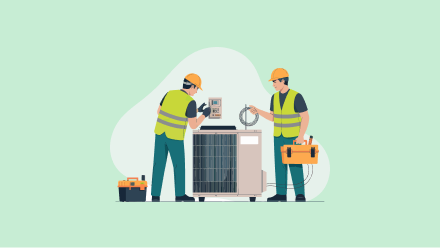
HVAC Technicians are in massive demand, especially in growing regions and hot climates. They earn $50,000 to $75,000, and many HVAC shops are desperate for trained people. As systems get more complex and energy efficiency matters more, certifications in specialized HVAC work command premium rates. The cooling and heating industry is booming.
Welders are another strong choice. Depending on specialization and industry, welders earn $45,000 to $80,000+. Specialized welders (underwater, pipeline, aerospace) break six figures regularly. Welding skills transfer across industries, so you have flexibility to chase higher-paying sectors.
Plumbers often make more than people realize. Licensed plumbers earn $50,000 to $75,000 as employees, and many own their own shops, which can generate six-figure incomes. Plumbing is essential, recession-resistant, and there's always another house or building that needs work.
Diesel Mechanics work on trucks, buses, and heavy equipment. They earn $45,000 to $75,000 and are in high demand, especially in freight and construction. As trucking and logistics expand, so does the need for diesel technicians.
Elevator Technicians are among the highest-paid trades, often earning $80,000 to $100,000+. The barrier to entry is higher (unions, long apprenticeships), but the payoff is real. Not many people pursue this path, which keeps demand and wages high.
These are actual median salaries, and they're growing. The skilled trades are experiencing a workforce shortage, which means employers are competing for your skills. That competition drives wages up. If you're considering which trade to pursue, pick one that matches your interests and your region. Geography matters; plumbers in rural areas earn less than plumbers in major cities. Electricians in high-cost-of-living regions command higher rates. Do your homework on your area, then move forward with confidence.




.webp)