"Mechatronics" is rarely the actual job title. It shows up as automation technician, PLC technician, or robotics technician instead.
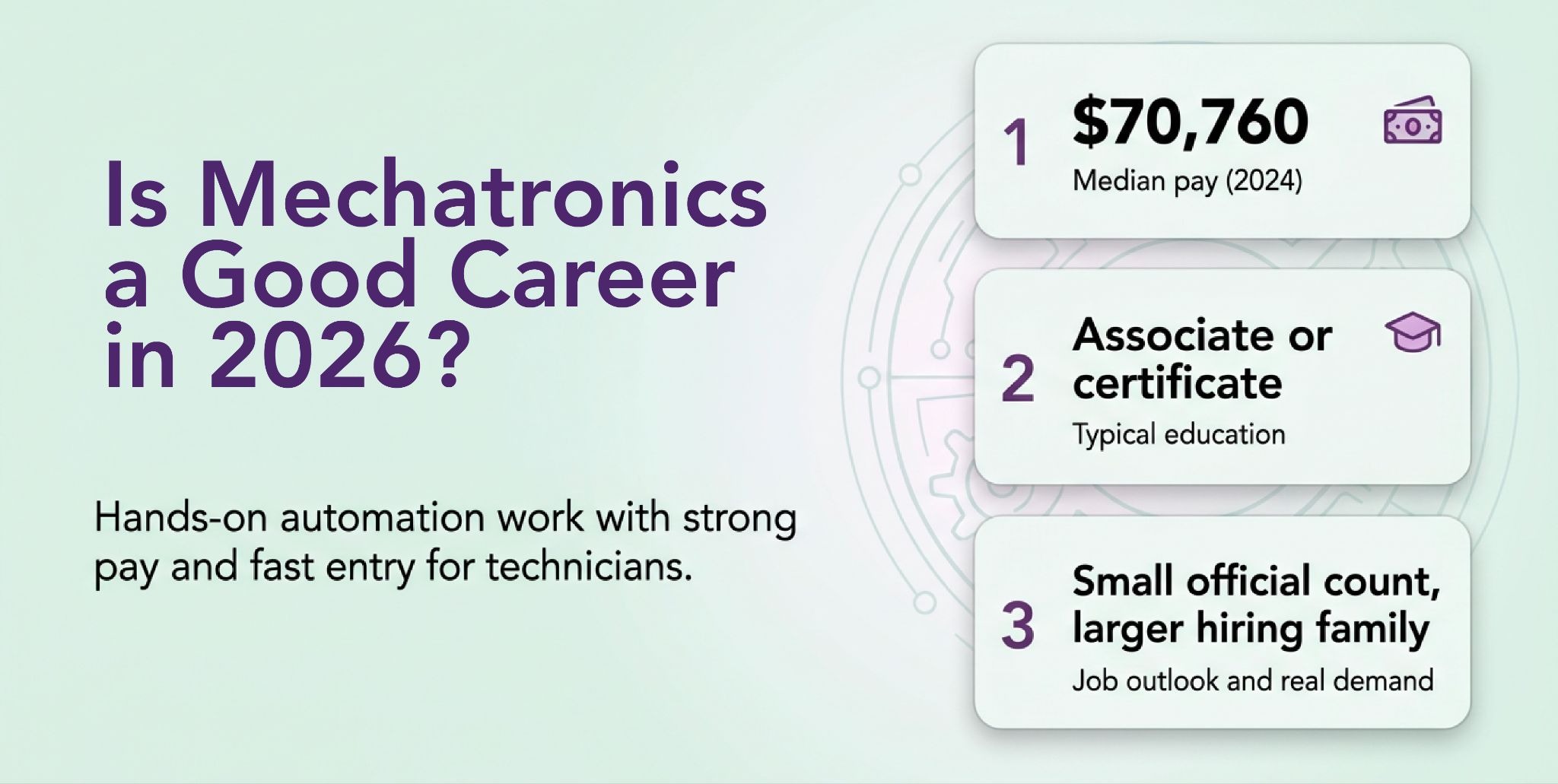
Median pay sits well above the national average, and most roles need only an associate degree or certificate.
The official job title looks small and slow-growing on paper. The real opportunity lives in the much bigger family of roles built on the same skills.
Entry-level robotics work is almost never about designing robots. It's about maintaining and troubleshooting the ones already on the floor.
Always confirm a program teaches real equipment: PLCs, sensors, live troubleshooting. Robotics branding alone means nothing.
This career is hard because it demands mechanical, electrical, and controls knowledge all at once, not because any single part is exotic.
Unmudl's mechatronics courses include a free trial, a hands-on virtual lab, and a direct path to real technician job openings, all in one place.
Wondering is mechatronics a good career? This guide explains salary, job outlook, real job titles, key skills, and training paths for technician roles in automation, robotics, PLCs, and industrial maintenance.
A straight answer on salary, skills, real job titles, and whether this path is worth your time.
A robot jams on the assembly line at 2 a.m. Nobody calls an engineer. Someone grabs a multimeter, pulls up the ladder logic on a laptop, and has the cell running again before the next shift clocks in. That's mechatronics work, even when the badge says something else entirely.
A mechatronics career is a hands-on technical path that blends mechanical systems, electronics, sensors, controls, PLCs, robotics, and industrial troubleshooting into one skill set. It shows up on job boards under titles like electro-mechanical technician, automation technician, robotics technician, PLC technician, controls technician, and industrial maintenance technician. It almost never shows up as "mechatronics technician."
Here's the number to start with. The U.S. Bureau of Labor Statistics reports a 2024 median wage of $70,760 for electro-mechanical and mechatronics technologists and technicians, compared with $49,500 across all U.S. occupations. That's a strong number for work that usually doesn't require a four-year degree.
It's also, on paper, a small and slow-growing occupation. The real opportunity lives one layer beneath the title, and that's what we're digging into.
Browse Courses on Unmudl Today!
Start with Mechatronics and Robotics Maintenance, designed for warehouse associates and equipment operators. Unmudl's platform connects you to Career Choice funding and training that employers actually want.
Unmudl matches you to hands-on training and hiring employers close to home. Sign up to see what's near you.
Good jobs, in your area.
Unmudl matches you to hands-on training and hiring employers close to home. Sign up to see what's near you.
Good jobs, in your area.
Unmudl matches you to hands-on training and hiring employers close to home. Sign up to see what's near you.
Good jobs, in your area.
Unmudl matches you to hands-on training and hiring employers close to home. Sign up to see what's near you.
What Is a Mechatronics Career, Really?
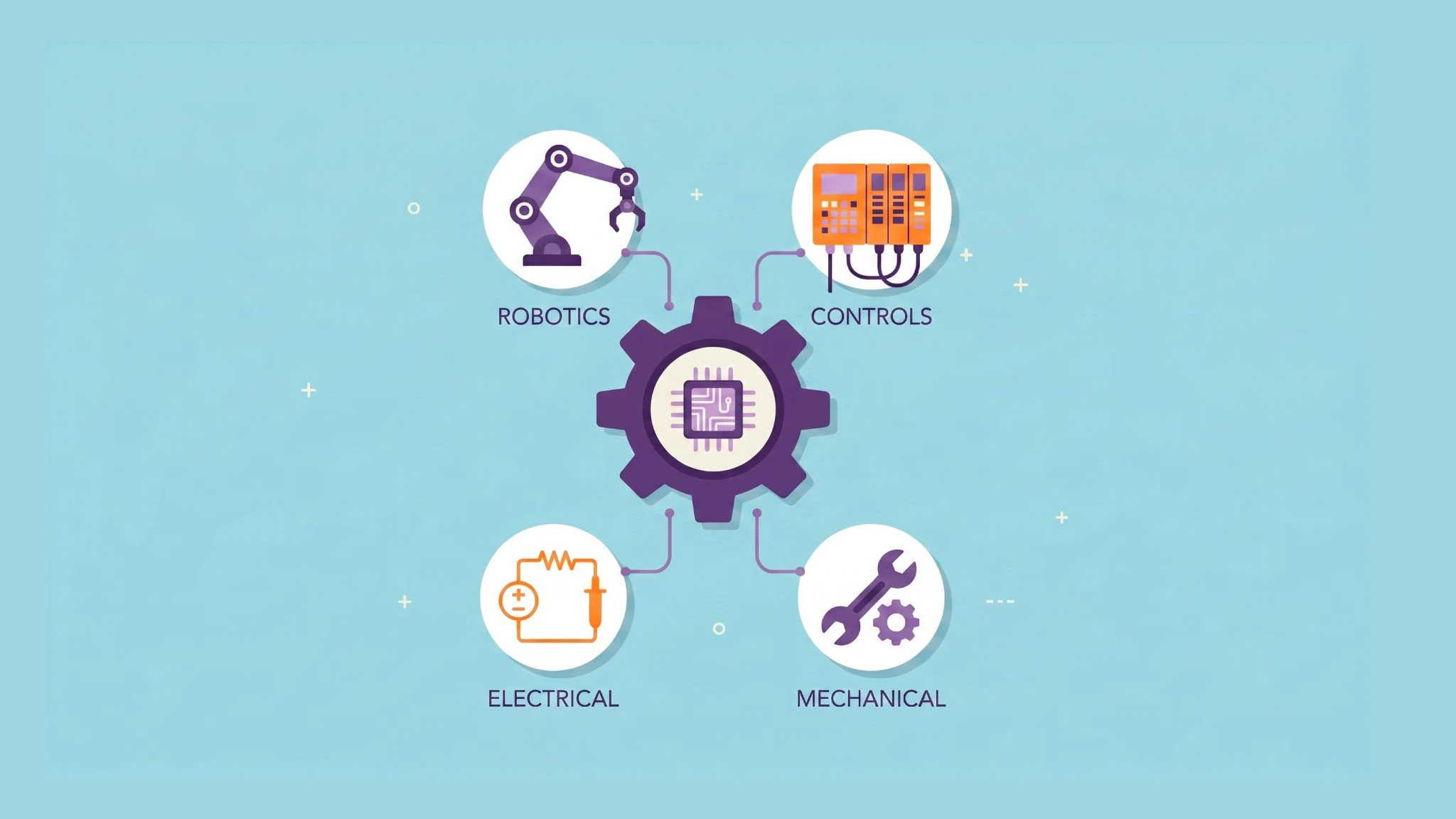
Mechatronics blends mechanical engineering, electrical and electronic systems, computer control, and automation into a single discipline. Electro-mechanical and mechatronics technicians install, repair, upgrade, and test electronic and computer-controlled mechanical systems, everything from conveyor lines to robotic work cells.
Here's the part most articles skip: "mechatronics" is rarely the actual job title. O*NET connects this occupation to real-world titles like Automation Technician, Electro-Mechanic, Process Control Tech, and Test Technician. The skill set is the product. The job title is marketing.
That distinction matters before you pick a degree, certificate, or course. If you only search "mechatronics jobs," you'll miss most of the actual market. Understanding what mechatronics actually covers up front saves you from that mistake before you spend a dime on training.
Do you want to get started in the mechatronics industry?
Unmudl offers the best course so that you may start earning money right away with simply a brief, quick course.
We help people like you find new careers they love!
Contact us for a free consultation to begin your new career journey.
Is Mechatronics a Good Career in 2026?
Short answer: yes, if you want hands-on technical work in automation, robotics support, controls, or industrial maintenance. It's a poor fit if you're picturing a desk job designing robots from a laptop.
Here's why it's good:
Median pay sits well above the national average.
Most technician-level roles need an associate degree or postsecondary certificate rather than a four-year commitment.
The underlying skills transfer across a whole family of job titles, not just one.
Here's the honest caveat. The narrow federal occupation is small (about 15,000 jobs in 2024) and projected to grow just 1% through 2034. That number alone undersells the real mechatronics career path, which spreads across automation, robotics, PLC, and maintenance titles built on the exact same skill set.
Read that table as a starting point, not the whole story. The real upside comes from targeting the broader family of roles, not chasing the exact word "mechatronics" on a job board.
What Jobs Can You Get in a Mechatronics Career?
Your resume probably won't say "mechatronics technician." It'll say one of these instead:
Electro-mechanical and mechatronics technician
Automation technician
Robotics technician
PLC technician
Controls technician
Industrial maintenance technician
Process control or test technician
Four of these define most of the real mechatronics technician career, so let's break them down.
Electro-mechanical and mechatronics technician. The most direct match to the official BLS occupation. You'll install, test, repair, and upgrade computer-controlled mechanical systems, working across electrical, hydraulic, pneumatic, and automated equipment.
PLC technician and industrial automation support. One of the most practical entry points into factory automation, often posted as an industrial automation technician or PLC technician role. Expect PLC inputs and outputs, HMI systems, sensor troubleshooting, motor controls, and production diagnostics. These roles rarely use the word "mechatronics," but the underlying work is identical.
Robotics maintenance and support. Here's a misconception worth correcting early: an entry-level robotics technician career almost never means designing robots. It means maintaining, troubleshooting, installing, and supporting them: robot controllers, conveyors, safety systems, sensors, and the maintenance records that keep a plant running.
Industrial maintenance and controls. A strong practical path for hands-on workers, often reachable through industrial maintenance technician training programs. Preventive maintenance, machine repair, and reading schematics are the daily work. As plants add more automation, mechatronics skills are exactly what move maintenance techs into higher-paying, controls-heavy roles.
Process control, instrumentation, and test technician roles round things out, mostly calibrating equipment and documenting results in support of automated manufacturing.
Mechatronics Salary and Job Outlook
Let's go deeper on mechatronics technician salary, the number that matters most here.
The BLS reports these 2024 wage figures for this occupation:
Median annual wage: $70,760
Lowest 10%: under $47,770
Highest 10%: over $109,580
That spread usually comes down to industry and experience, not just the credential on your wall.
The same occupation counted about 15,000 jobs in 2024, with roughly 1,300 openings projected per year through 2034 and just 1% overall growth. That headline number looks unimpressive standing alone, and it's also misleading if you stop reading there.
Related titles like automation technician, PLC technician, industrial maintenance technician, and robotics technician draw from the exact same skill set and appear far more often in real job postings. This occupation maps directly to titles like Automation Technician, Process Control Tech, and Test Technician, which is the clearest evidence that "mechatronics" is a skill category, not a hiring category.
The bigger trend backs this up. The International Federation of Robotics reported 542,076 industrial robot installations in 2024, pushing the global installed robot stock to 4,663,698 units, concentrated heavily in electronics, automotive, and metal and machinery manufacturing. More robots on the floor means more demand for the people who install, diagnose, and maintain them.
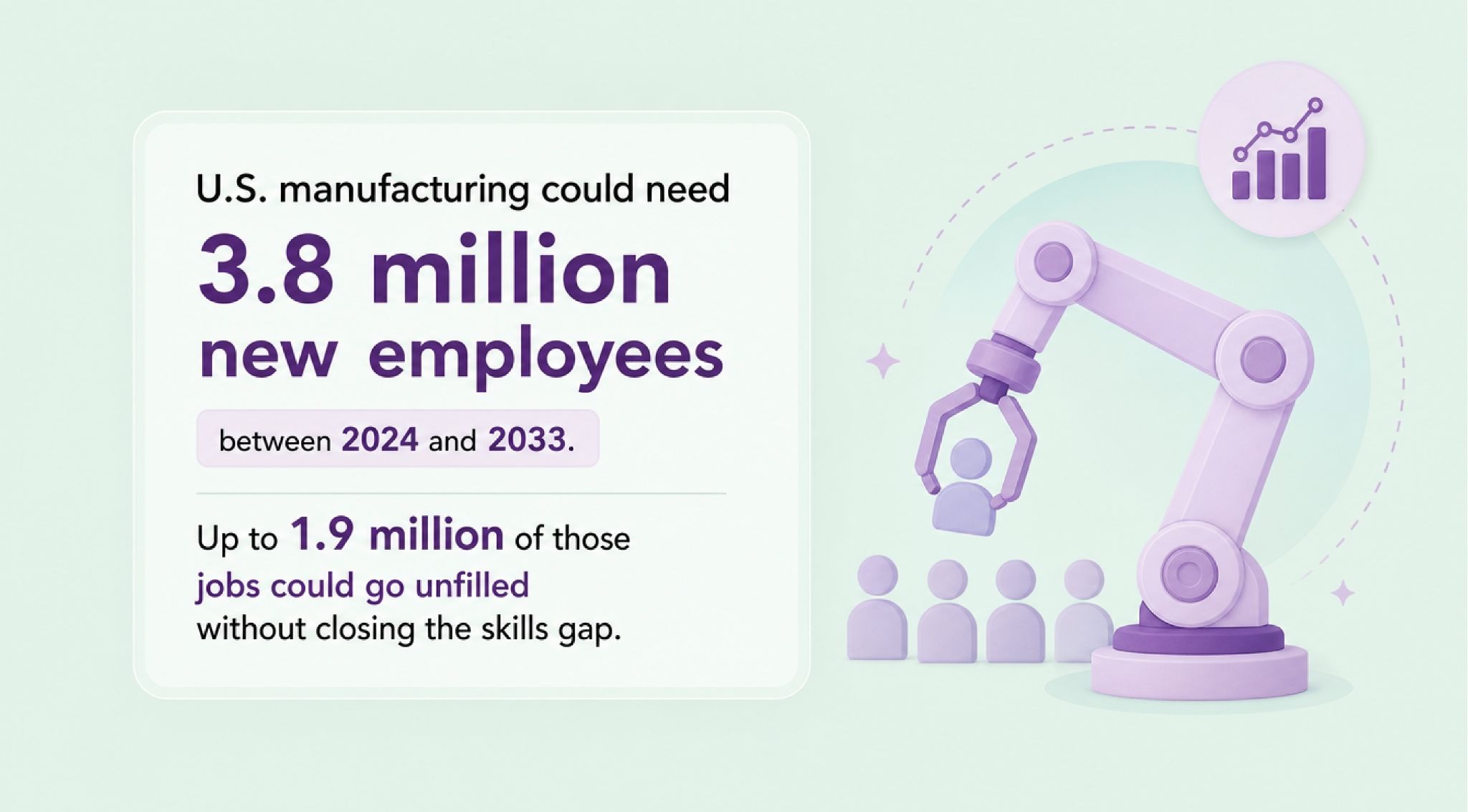
Deloitte and The Manufacturing Institute go further, estimating U.S. manufacturing could need 3.8 million new employees between 2024 and 2033, with 1.9 million of those jobs potentially unfilled if the skills gap isn't addressed.
Local numbers vary by state, metro area, and nearby employers, so check regional wage data before you enroll anywhere. National averages are a starting point, not a promise.
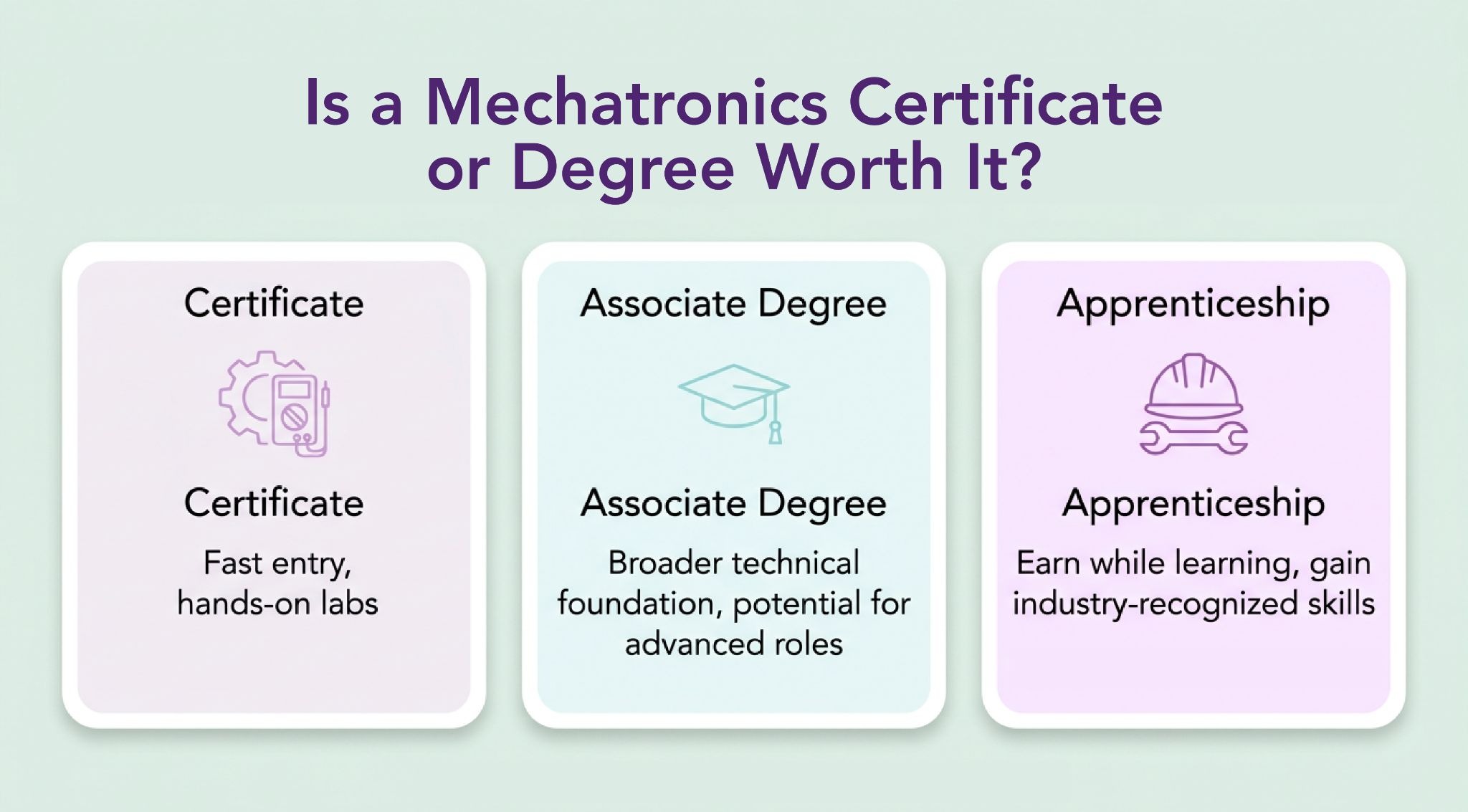
Is a Mechatronics Certificate or Degree Worth It?
The right training path depends on your target job, budget, and timeline, not on which credential sounds most impressive.
A mechatronics certificate is the fastest route to job-ready skills. Best when it includes real labs (PLCs, sensors, motor controls, safety training), not just lecture slides. Unmudl's free Introduction to Mechatronics course is a low-risk way to test the waters before committing to anything longer.
Associate degree. A broader technical foundation covering electronics, mechanical systems, automation, and controls in more depth. Programs like Mechatronics and Robotics Maintenance are built specifically around that depth, and this path is often more credible for technician roles that expect formal postsecondary education.
A mechatronics apprenticeship connects to O*NET-approved Registered Apprenticeship titles. That means the work-based route isn't a shortcut. It's a legitimate, industry-recognized path, and often the fastest way to close the gap between classroom theory and what employers actually expect.
Bachelor's degree. A full mechatronics degree is worth it if you want to design systems or move into mechanical, electrical, or mechatronics engineering roles. If you want to troubleshoot real equipment sooner, this is usually the slower, more expensive path.
Whatever you pick, mechatronics training should prove it teaches real equipment, not theory with automation branding on top. If you want to compare a few options side by side first, you can browse job-focused technical courses before committing to anything long.
What Skills Do You Need for a Mechatronics Career?
Employers aren't hunting for one narrow skill. Real mechatronics skills mean being comfortable moving between several at once.
Electrical troubleshooting and safety. Wiring basics, multimeter use, fault isolation, and safe work around live equipment.
Mechanical systems. Belts, bearings, conveyors, mechanical troubleshooting, and the preventive maintenance that keeps them running.
PLC programming, HMI, and SCADA. Ladder logic and industrial control systems are the bridge between maintenance and automation, arguably the highest-leverage skill on this list.
Sensors and actuators, plus motor controls. How machines actually sense and react to the world around them.
Pneumatics and hydraulics. Most automated equipment runs on fluid power, and diagnosing leaks and pressure problems is a daily task.
Robotics maintenance. Robot controllers, safety systems, and the diagnostics that keep a robotic cell productive. Unmudl's mechatronics and robotics virtual lab is built around exactly this kind of hands-on practice.
Schematics and documentation. Reading blueprints and recording what you fixed. This is a differentiator most people underestimate: employers pay for proof you can diagnose a failure, not just fix one by luck.
You don't need all of this on day one. Troubleshooting depth plus two or three of these layered on top is usually where the pay increase actually starts.
Who This Career Path Actually Fits (and Who It Doesn't)
Mechatronics rewards a specific kind of person: someone who likes figuring out why a machine stopped working, not just what it's supposed to do when it's running.
It's a strong fit if you're:
A student who wants a practical, faster-to-employment alternative to a four-year engineering degree
A career changer from automotive, HVAC, electrical, or military technical work, since most diagnostic and safety skills transfer directly
A machine operator or maintenance worker looking for an industrial maintenance technician career that leads into higher-paying, automation-heavy roles
It's probably not for you if you want mostly desk-based work, pure software development, or robotics design with zero maintenance involved.
And yes, it's genuinely hard. The breadth is the whole point. Mechanical, electrical, electronics, controls, and production knowledge, all at once, often under real time pressure with hazardous equipment nearby. That's not a downside if you like systems and tools. It's a dealbreaker if you don't.
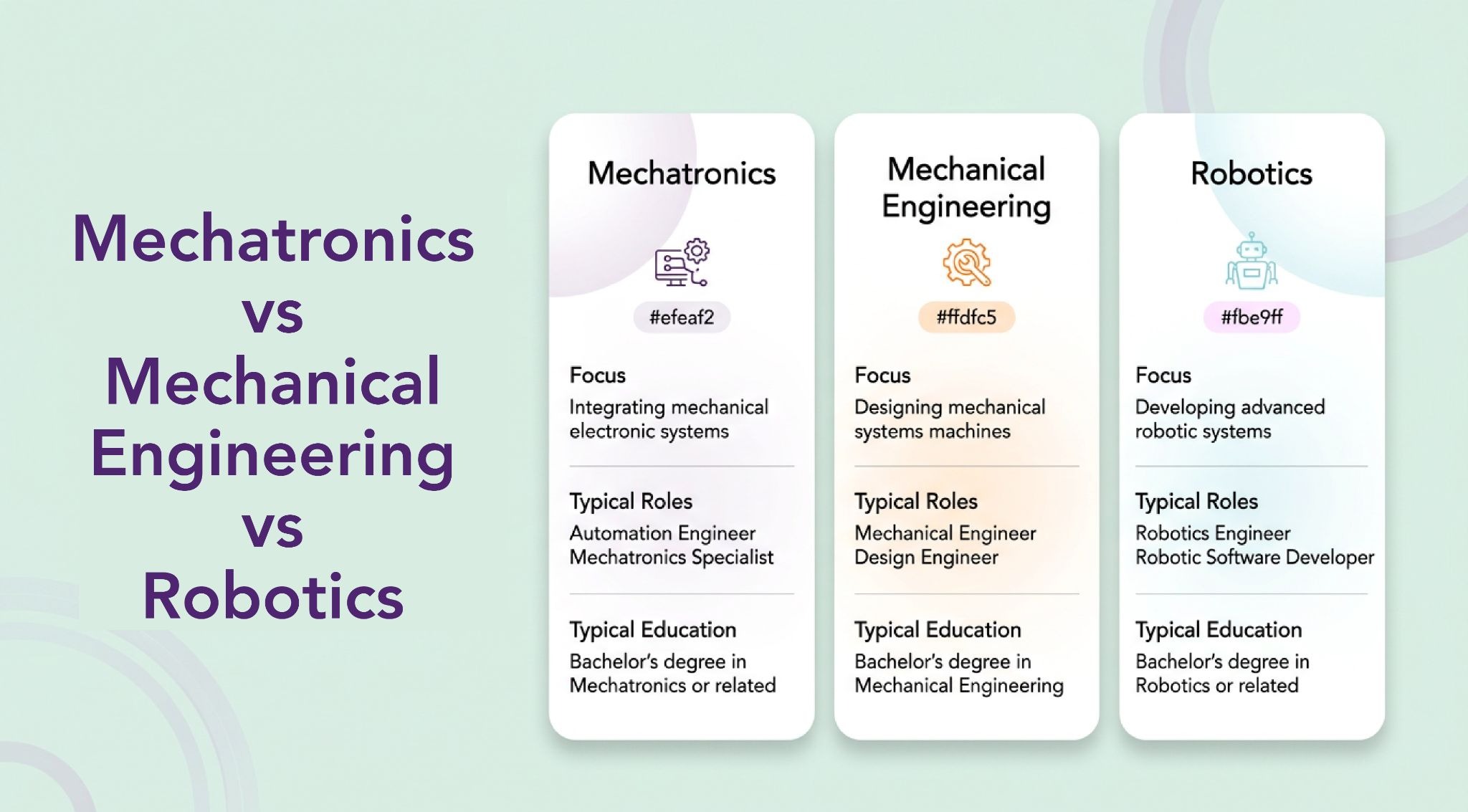
Mechatronics vs Mechanical Engineering vs Robotics
Two comparisons come up constantly, so here's the short version.
On mechatronics vs mechanical engineering: mechatronics technician paths are hands-on and equipment-focused, with faster entry and no four-year requirement. Mechanical engineering is design and analysis-heavy, and it usually requires a bachelor's degree. Neither is "better." They solve different problems.
On mechatronics vs robotics: robotics is one piece of mechatronics, not the whole thing. Mechatronics is broader, adding controls, pneumatics, hydraulics, and general maintenance into the mix. Robotics technician work, in practice, usually means maintaining and supporting robots rather than designing them from scratch.
How to Start a Mechatronics Career With No Experience
You don't need a job literally titled "mechatronics technician" to get started. Here's a realistic sequence.
Research local job titles first. Search automation technician, maintenance technician, PLC technician, and robotics technician openings in your area before choosing any program.
Build electrical and mechanical fundamentals. Basic circuits, safety, motors, and hand tools come before anything automation-specific.
Learn PLCs, sensors, and troubleshooting. This is where training gets mechatronics-specific: inputs and outputs, ladder logic, and real fault diagnosis.
Document hands-on projects. Problem, equipment, diagnostic steps, fix, result. That structure turns a class project into proof for an employer.
Apply broadly. Maintenance technician trainee, manufacturing technician, and field service technician roles are common entry points, even when your real goal is automation or robotics long term.
Searching only "mechatronics jobs." You'll miss automation, PLC, controls, and maintenance postings using different words for the same work.
Picking a mechatronics program for its robotics branding alone. If it can't name the PLCs, sensors, and equipment you'll actually touch, treat that as a red flag.
Ignoring local wages and employers. National averages are a starting point. Check your state and metro data before enrolling anywhere.
Assuming a certificate alone guarantees a job. Labs, projects, and apprenticeship experience matter just as much as the paper.
Expecting robotics-only work on day one. Most early roles lean maintenance, testing, and installation, not design.
What Concepts Are Related to a Mechatronics Career?
A quick glossary for terms you'll run into while researching this path:
Electro-mechanical technician. A technician working across electrical, electronic, and mechanical components, one of the closest official titles to "mechatronics" itself.
Automation technician. Supports automated production systems, usually involving PLCs, sensors, HMIs, and motor troubleshooting.
PLC technician. Works directly with programmable logic controllers, inputs and outputs, and ladder logic.
Robotics technician. Installs, maintains, and troubleshoots robotic equipment and the automated systems built around it.
Industrial maintenance technician. Maintains and repairs production equipment, increasingly overlapping with mechatronics as more of that equipment becomes automated.
Controls technician. Focused on control systems, instrumentation, sensors, and process automation.
Work-based learning. Apprenticeships, internships, and co-ops that build real job experience alongside or instead of classroom training.
If you're weighing a short course against a longer program, Unmudl's mechatronics courses are worth a look before you commit to anything bigger. And if you're on the hiring side of this equation, Unmudl also helps employers build a technician talent pipeline directly.
Explore our career-ready "Mechatronics and Robotics Maintenance" designed with employers to help you get hired faster. Train for industrial maintenance in ~10–12 weeks, earn a certificate and get ready to interview for technician roles.
Mechatronics skills are used across automation, robotics, manufacturing, equipment maintenance, controls, and industrial technology. Employers may not use “mechatronics” as the job title, so searching only that term can hide relevant opportunities. Look for roles involving automated equipment, programmable logic controllers, sensors, robotics, or electromechanical systems.
Can you get a mechatronics job with a certificate?
A practical certificate can qualify learners for some entry-level technician and maintenance roles, particularly when it includes hands-on work with real equipment. Engineering, product-design, and advanced controls positions are more likely to require an associate or bachelor’s degree. Compare the program’s graduate outcomes with local job requirements.
What job titles should someone with mechatronics skills search for?
Useful job titles include automation technician, controls technician, PLC technician, robotics technician, electro-mechanical technician, industrial maintenance technician, and equipment maintenance technician. Searching by equipment and responsibilities is often more effective than searching only for “mechatronics jobs.”
Who is mechatronics a good career for?
Mechatronics suits people who enjoy diagnosing machines and working across mechanical, electrical, electronic, and control systems. It is particularly relevant for hands-on learners and workers coming from automotive, HVAC, electrical, manufacturing, or military technical backgrounds. It may be a weaker fit for someone seeking entirely desk-based software or product-design work.
Is mechatronics in demand?Mechatronics skills are used across automation, robotics, manufacturing, equipment maintenance, controls, and industrial technology. Employers may not use “mechatronics” as the job title, so searching only that term can hide relevant opportunities. Look for roles involving automated equipment, programmable logic controllers, sensors, robotics, or electromechanical systems.Can you get a mechatronics job with a certificate?A practical certificate can qualify learners for some entry-level technician and maintenance roles, particularly when it includes hands-on work with real equipment. Engineering, product-design, and advanced controls positions are more likely to require an associate or bachelor’s degree. Compare the program’s graduate outcomes with local job requirements.What job titles should someone with mechatronics skills search for?Useful job titles include automation technician, controls technician, PLC technician, robotics technician, electro-mechanical technician, industrial maintenance technician, and equipment maintenance technician. Searching by equipment and responsibilities is often more effective than searching only for “mechatronics jobs.”Who is mechatronics a good career for?Mechatronics suits people who enjoy diagnosing machines and working across mechanical, electrical, electronic, and control systems. It is particularly relevant for hands-on learners and workers coming from automotive, HVAC, electrical, manufacturing, or military technical backgrounds. It may be a weaker fit for someone seeking entirely desk-based software or product-design work.


.svg)







.png)

